
Curating Your Spring Garden: A Designer’s Guide to Spring Bulbs
There’s something so wonderfully hopeful about planting a garden for a season that is a whole winter away.
As the garden begins to wind down in fall, it’s the perfect time to think ahead to those first beautiful signs of spring: crocuses peeking through the snow, cheerful daffodils, fragrant hyacinths, and tulips bringing color back to the landscape. The time to plant spring-flowering bulbs here in zone 6 is mid-October through mid-November, when nighttime temps are consistently below 40 degrees. With a little planning ahead, you can look forward to a succession of blooms that lasts 8-10 weeks and feels natural, layered, and beautifully connected to the perennials already growing in your garden.
Start With a Color Palette
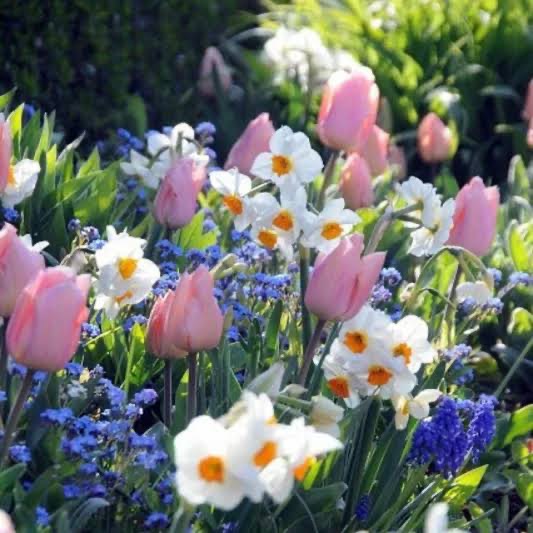
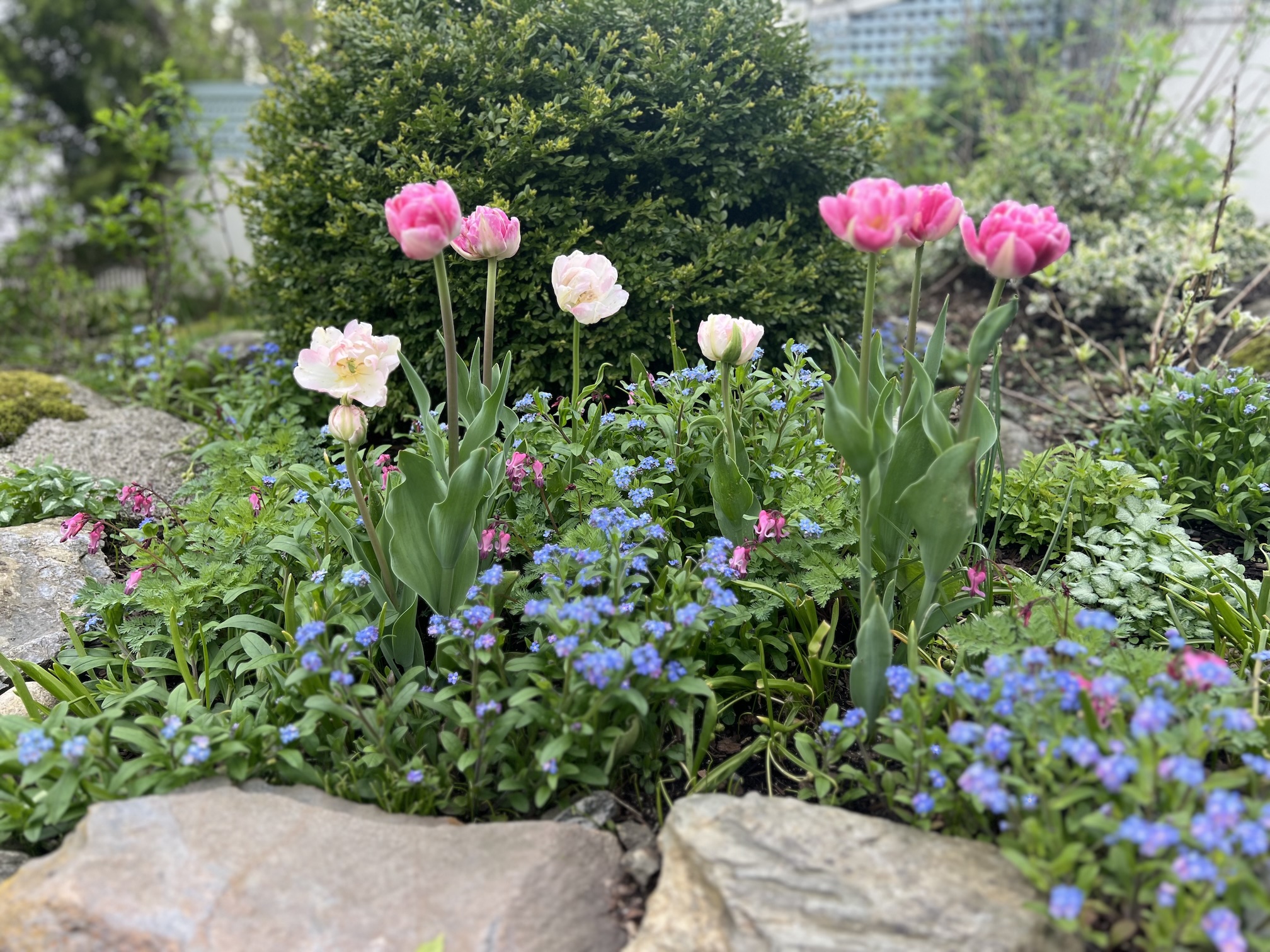
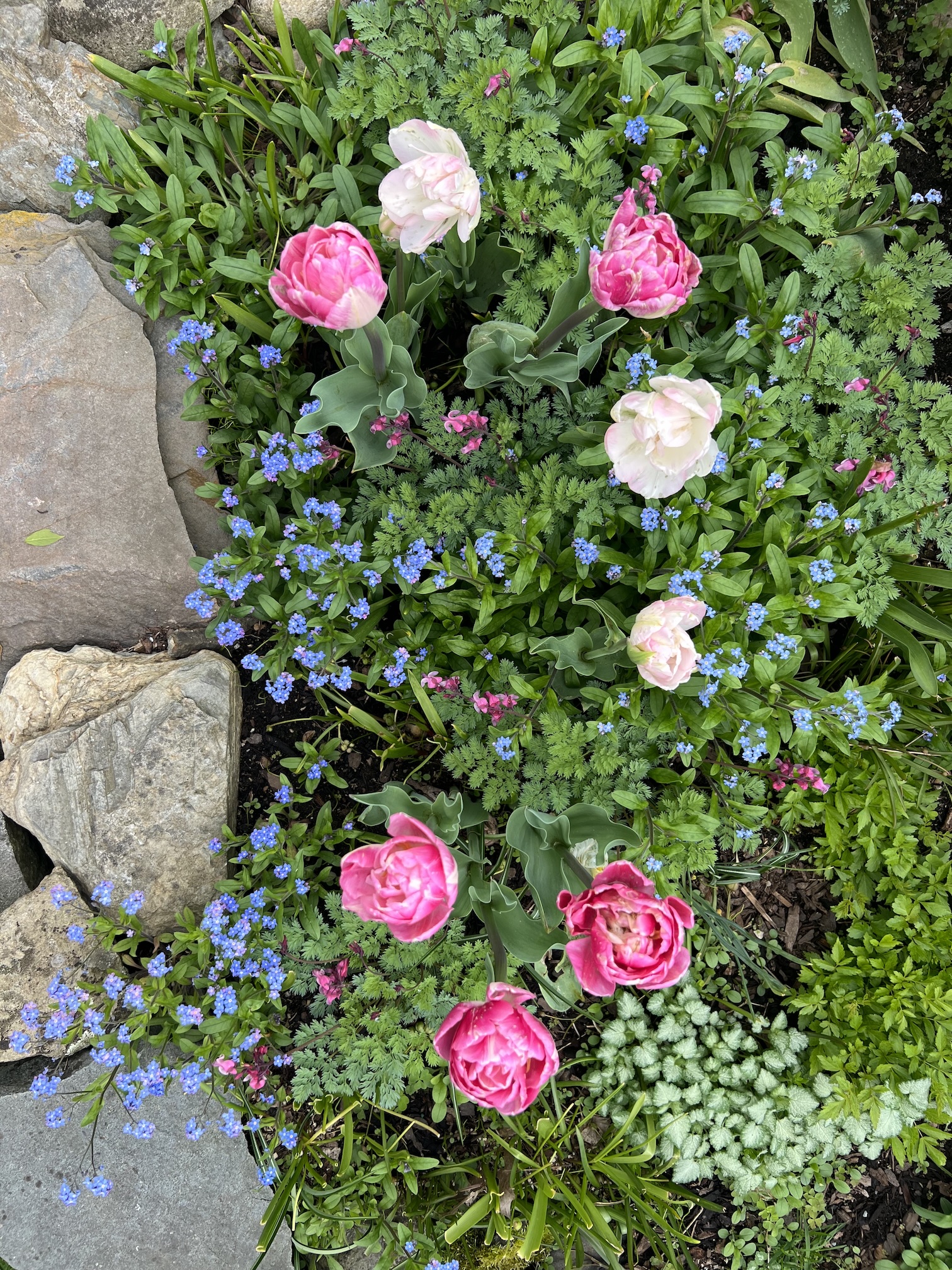
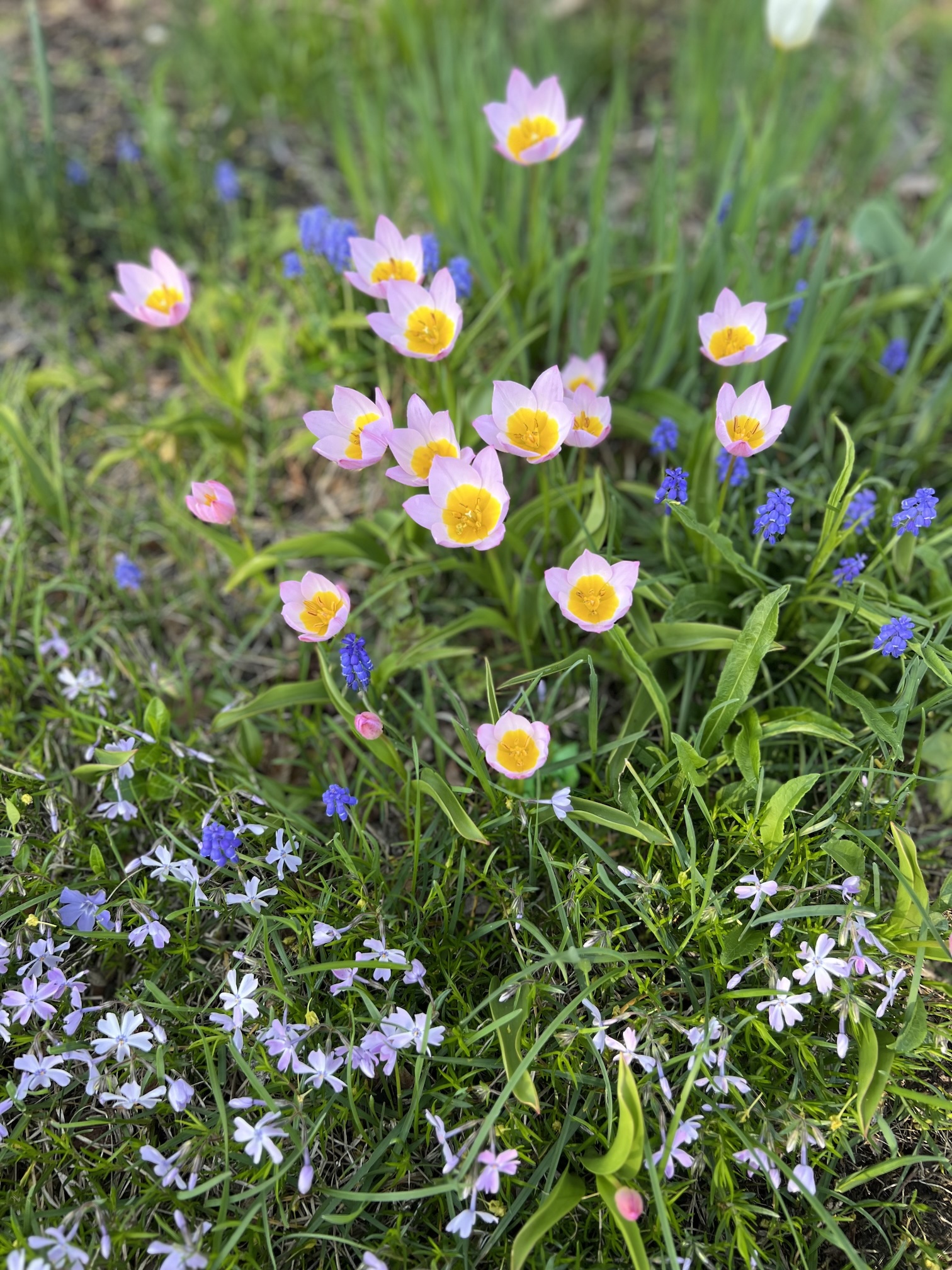
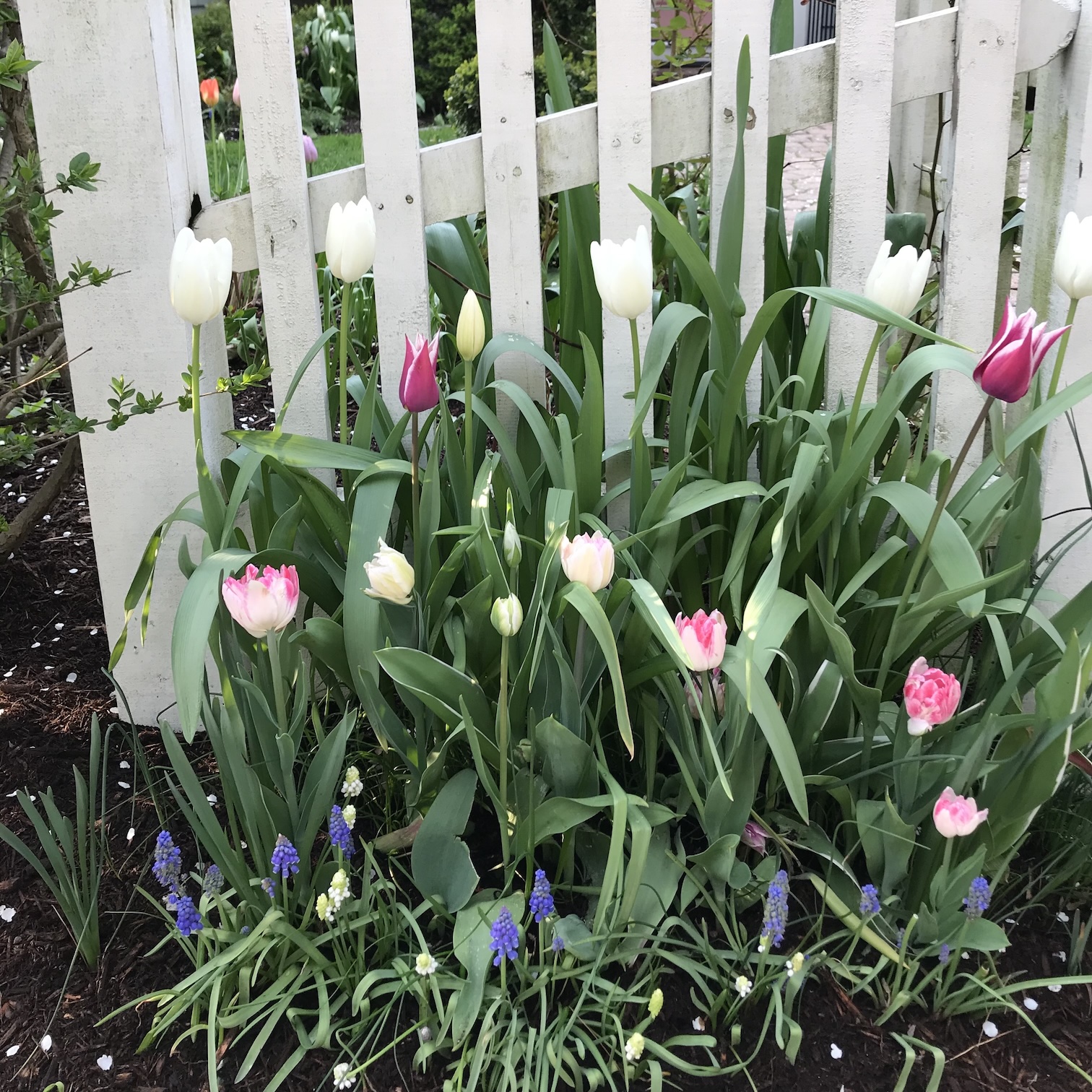
I like to approach spring planting by thinking about a color palette just as I would when designing an interior. So, consider selecting two or three complementary colors and repeating them throughout the garden. My favorite combination is soft blush pinks, creamy whites, and pale blues to create a soft, romantic palette.
Plan for a Succession of Blooms
One of the secrets to a garden that feels beautiful throughout the season is not having everything bloom at once. Instead, choose bulbs with different bloom times so the garden gradually changes as spring unfolds. Bulbs are identified as being early, mid, or late bloomers.
Early bloomers:
- snowdrops
- crocuses
- chionodoxa
- scilla
Mid Spring Bloomers:
- daffodils
- hyacinths
- muscari
- tulips
- dwarf iris
Late Bloomers:
- alliums
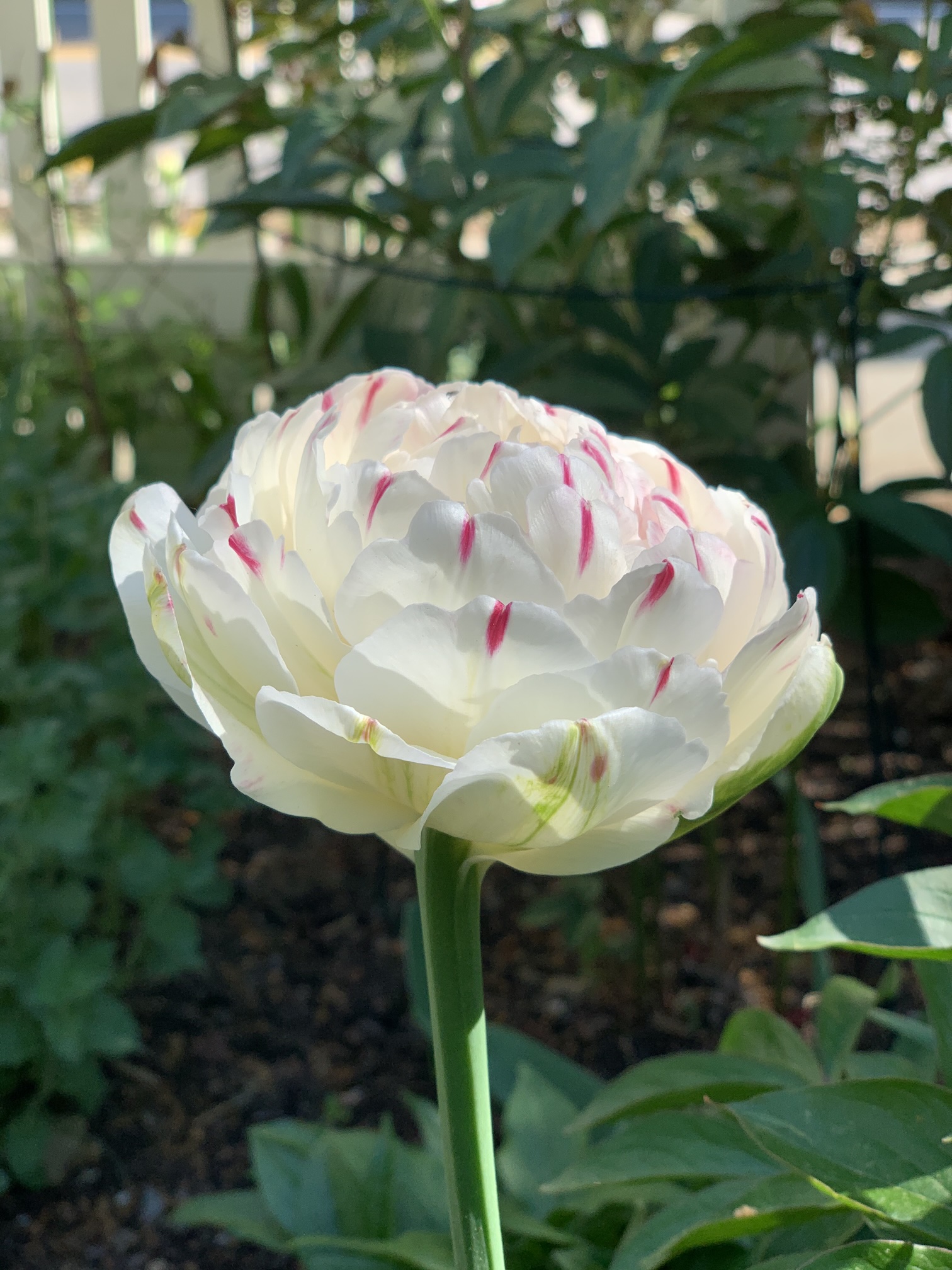
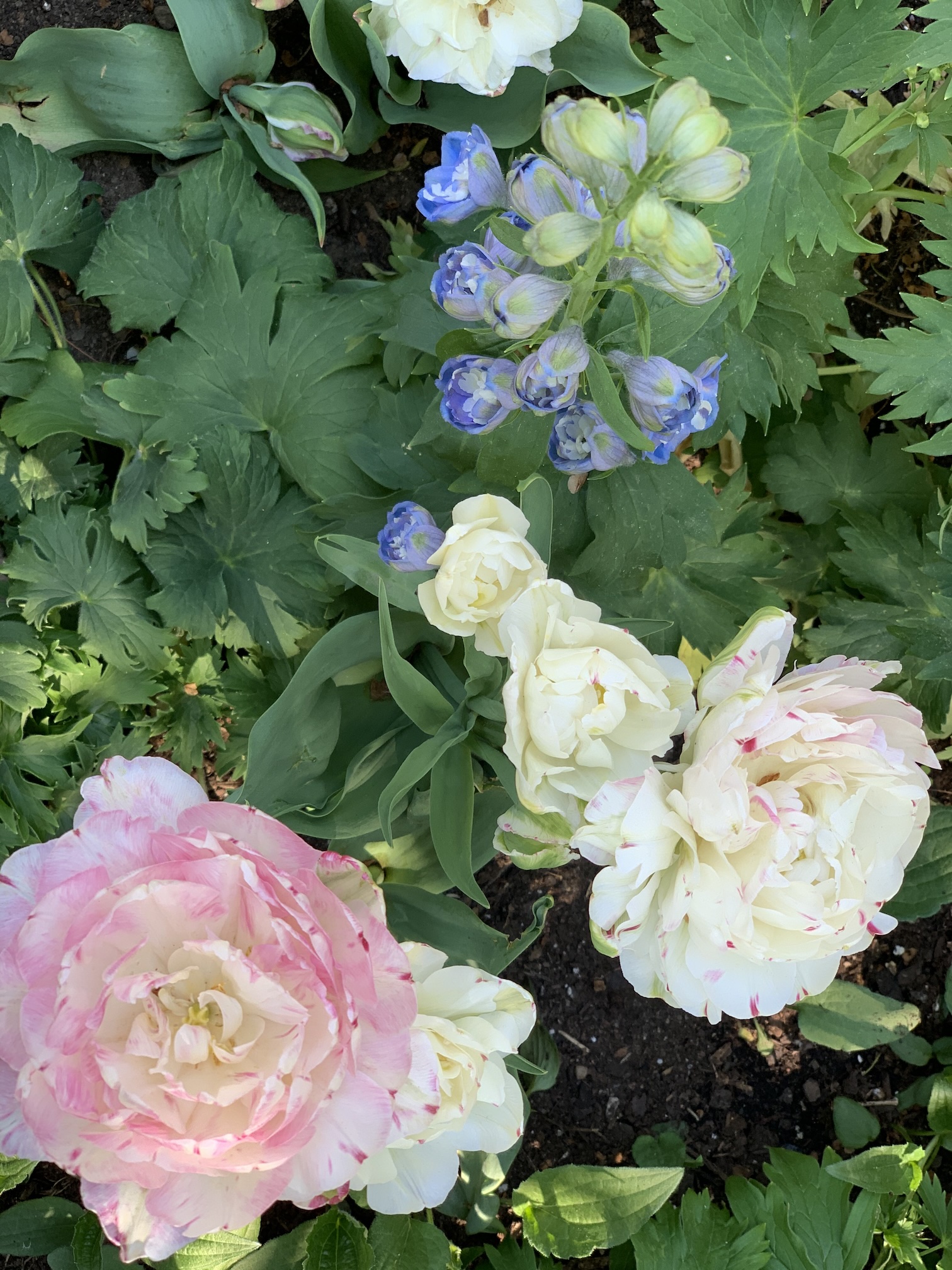
- double “peony” tulips
This approach is especially effective when bulbs are repeated throughout the landscape. Rather than having one area that blooms for a week and then disappears, you create little moments of color that continue to appear as you move through the garden.
Look to Your Perennials for Inspiration
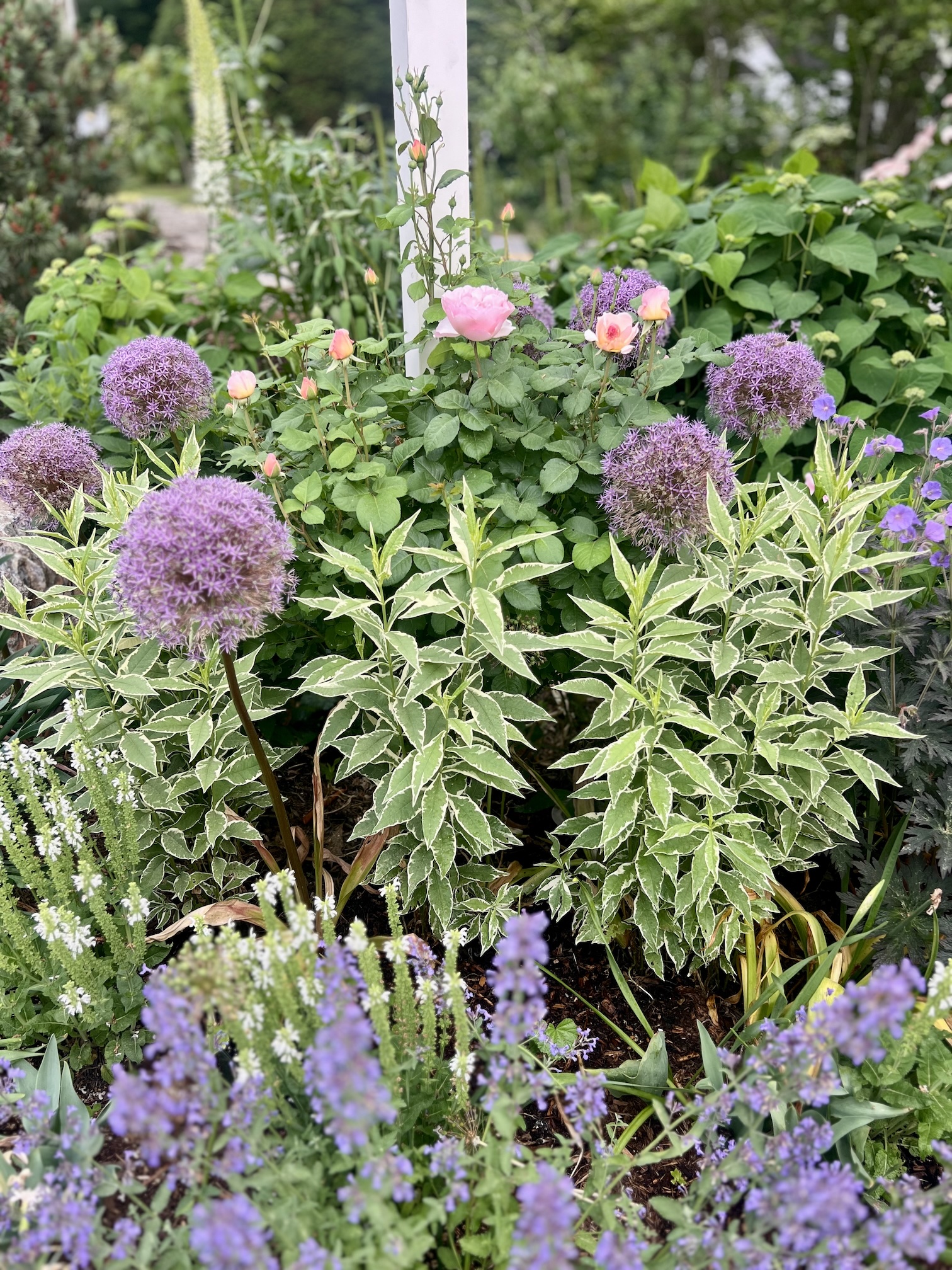
Before ordering a single bulb, take a walk through your garden and look at what you already have. Which perennials emerge early in spring? What colors will be blooming alongside your bulbs? Where are there gaps that could use a little extra interest? Bulbs can be tucked beautifully among established perennials. Tulips emerging through hostas, daffodils alongside bleeding heart, or alliums rising above nepeta and other low-growing perennials can create a layered, natural look. Choose bulbs that complement the plants that will take over as the season progresses.
There’s a practical advantage, too. As bulbs finish flowering and their foliage begins to brown, the emerging leaves of nearby perennials can help disguise the foliage while it stores energy for next year’s bloom. The goal isn’t simply to create a beautiful spring garden. It’s to create a garden that transitions gracefully from one season to the next. That is the true artistry of perennial gardening.
Think in Layers
A dynamic garden benefits from layering heights. Crocuses or muscari can provide color close to the ground, followed by tulips or daffodils at mid-height, with tall alliums adding a sculptural element above them. This creates movement and dimension, and keeps the garden from feeling flat. Select some bulbs that are Low (3-6″), Mid (10-16″), and Tall (20+”)
A few combinations I love that not only have height variation, but also bloom overlap are:
For a romantic cottage garden…
Muscari + “Pink Pearl” hyacinth + “Cheerfulness” Double White Daffodil + “Angelique” peony tulips + “Globemaster” Alliums
For a cohesive peaches & cream display…
Chionodoxa “Alba” + “Apricot Beauty” Tulips + “British Gamble” Large Cup Daffodil + “Mount Everest” Allium
For a cheerful symphony of color…
“White Emperor” Tulips + “Bojangles” Triumph Tulips + Tete-a-Tete Mini Daffodils + Forget-me-Nots
Plant in Generous Groups
When it comes to bulbs, plant generously in clusters or informal drifts. Groups of five, seven, or more tend to have much more visual impact and create a natural, abundant feeling. Vary the size and shape of your groupings rather than planting everything in perfectly straight lines.
Another Reason to Layer : Protect your Investment
Garden critters like to pilfer sweet, nutritious tulip bulbs as a food source over the winter. Tulips do not have the chemical defenses that make daffodils and allium bitter and unpleasant to snack on. So it is worthwhile to interplant your tulips amongst these naturally repellent bulbs to confuse little foragers who rely on scent cues.
Plant Now, Enjoy Later
It is well worth your time to plan ahead for next spring. You tuck your bulbs into the cool fall soil, cover them up, and wait with anticipation while they take a long winter’s nap. Then, almost as if by magic, they begin to emerge when the garden is ready to wake up. Those first spring blooms are such a welcome sight after a long New England winter!
So before you put your garden to bed for the season, take one more look around. Consider where you could add a little color, where a succession of blooms might extend the season, and which bulbs would complement the perennials you already love.